
If you run a growing business in India, you have probably received emails or WhatsApp messages promising first-page Google rankings in 30 days through thousands of instant backlinks. Most of these offers end the same way: wasted money, no genuine enquiries, and sometimes a Google penalty that wipes out the traffic you already had.
At Kiefads, we believe good SEO is not about buying secret link packages. It is about building real credibility online. To do that, you need to understand how search engines judge external links, what makes a link valuable, and how to avoid vanity numbers that do nothing for your sales.
Key Takeaways
- A backlink is a link from another website to yours. Quality and relevance matter far more than quantity.
- Search engines treat links from trusted websites as signals of credibility, but links cannot fix a poor website or a weak offer.
- Cheap link packages can trigger penalties and erase your organic traffic.
- A sustainable link building strategy needs valuable content, consistent effort and clear audience targeting.
- For local Indian businesses, links from regional sources can matter more than links from big national sites.
What Are Backlinks in SEO?
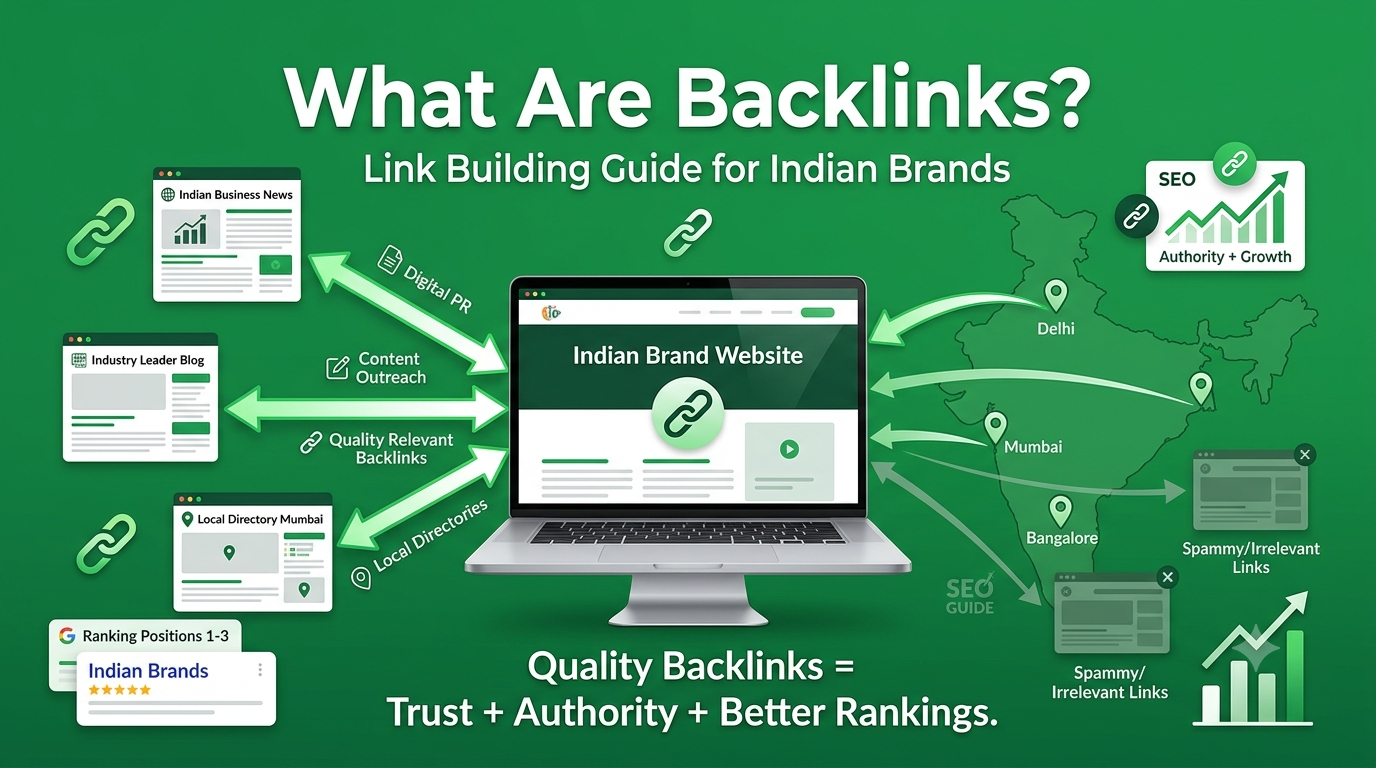
A backlink is a hyperlink on another website that points to your website. For example, if an industry blog mentions your product and links to your page, or a local news portal quotes you and links to your site, each of those links is a backlink.
In the early days of SEO, every link was treated like a vote of confidence, so businesses tried to collect as many as possible. Today, search algorithms are far smarter. Google looks at the authority of the linking website, how relevant it is to your industry, the anchor text used, and whether the link looks natural.
In short, understanding backlinks means looking beyond numbers. Good content gives other websites a genuine reason to reference you, and that is the foundation of strong organic performance.
The Role of Backlinks in Modern Search Rankings
Search engine crawlers use links to discover new pages and to judge how trustworthy a website is within its industry. When respected websites in your niche cite your guides, research or products, search engines conclude that your content is worth trusting.
However, backlinks are not a shortcut to revenue. Higher rankings can bring more visitors, but if your landing pages do not explain your value or build trust, those visitors will not become customers. The best backlinks bring relevant, high-intent traffic to pages that are ready to convert.
Types of Backlinks Every Business Owner Should Know
Not all links carry equal weight. Here are the main types:
- Dofollow links: The default type. They let search engines follow the link and pass ranking authority, often called link equity, to your site.
- Nofollow links: These carry a rel=”nofollow” attribute and tell search engines not to pass direct authority. They still bring referral traffic and help keep your link profile natural.
- Editorial links: Earned naturally when a journalist, publication or industry peer references your research, opinion or product.
- Sponsored or paid links: Links gained through sponsorships or paid placements. Google requires these to be marked with rel=”sponsored” so your site is not penalised.
- UGC links: Links from user-generated content such as forums and comments, which are marked rel=”ugc”.
A profile made up only of dofollow links can look suspicious. A natural website has a healthy mix of link types.
How to Check Your Current Backlink Profile
Before starting any new outreach, review the backlinks you already have. Many Indian SMEs discover during an audit that a previous agency built spammy links that now pull their rankings down.
Use trusted tools such as Google Search Console, Ahrefs or SEMrush and look for:
- Links from irrelevant, low-quality directories or auto-generated websites
- Sudden spikes in the number of links within a short period
- Anchor text dominated by exact commercial keywords
- Links from foreign-language or unrelated spam sites
Removing toxic links, or disavowing them where removal is not possible, cleans up your profile and lets your future SEO and digital marketing work build on a solid base.
Step-by-Step Guide to Earning High-Quality Backlinks
Authority comes from a structured approach, not automated mass emailing.
- Publish useful content. Create original research, industry reports, calculators, checklists, templates or detailed guides that solve real problems for your customers.
- Find relevant partners. Identify non-competing publishers, trade magazines, industry blogs and association websites that serve your audience.
- Do value-first outreach. Offer expert comments, updated information, unique data or a fix for a broken link, instead of sending generic “please link to us” emails.
- Contribute expert articles. Write thoughtful guest content for reputable industry platforms, focusing on insight rather than selling.
- Use digital PR. Share news about awards, launches, surveys or milestones with business media and local publications.
- Create linkable assets. Infographics, case studies, free tools and glossaries are the types of resources that other websites naturally link to.
Consistent effort in these areas builds authority that survives algorithm updates.
Building a Sustainable Link Building Strategy
A good strategy connects link building to your business goals. Real link growth takes months of steady work, not days.
Avoid shortcuts such as private blog networks (PBNs), bulk link exchanges and paid link farms. They may give a short-term boost, but Google regularly updates its systems to detect and penalise manipulation. Invest instead in brand building, PR, trade media coverage and high-value resources.
Technical Checks Before You Pursue a Link
Before you reach out to a website, check whether a link from it will actually help:
- Indexing status: Confirm that Google regularly indexes the site’s pages.
- Real traffic: Make sure the site gets genuine organic traffic and not just inflated third-party scores.
- Relevance: The site should be related to your industry or location.
- Crawlability and security: Avoid sites with crawl errors, no SSL certificate or suspicious redirects.
These checks protect you from toxic associations and improve the return on your outreach.
Local SEO and the Impact of Regional Backlinks
For businesses that serve specific cities or regions in India, local relevance often matters more than broad national authority. A link from a city trade association, regional news website or verified local directory sends a strong geographic signal to search engines.
If you run a factory in Faridabad, a clinic in Pune, a retail chain in Tamil Nadu or a service firm in Gujarat, focus on:
- Local chambers of commerce and industry associations
- City-based news portals and blogs
- Trusted directories such as Justdial, Sulekha and IndiaMART, with accurate and consistent business details
- Local events, exhibitions and community sponsorships
- Your Google Business Profile, kept complete and active
These links strengthen local rankings and attract customers who are ready to buy.
Common Backlink Mistakes to Avoid
- Buying cheap link packages: Automated services that sell thousands of forum, comment or directory links invite penalties.
- Over-optimised anchor text: Forcing exact phrases like “cheap logistics company India” into every link looks manipulative.
- Ignoring unlinked brand mentions: Track places where your brand name appears without a link. Asking the site to add one is often the easiest backlink you will ever earn.
- Choosing volume over relevance: Ten links from respected industry websites are worth more than hundreds from unrelated ones.
- Neglecting your own content: Without strong pages, there is nothing worth linking to.
- Expecting overnight results: Link building is a long-term investment.
How to Measure the Success of Your Backlink Campaigns
Look beyond total link counts and third-party authority scores. Measure what affects your business:
- Referral traffic: How many qualified visitors come from external links
- Keyword ranking movement: Track non-brand keywords over three to six months
- Organic conversions: Form fills, demo requests, calls and WhatsApp enquiries from linked pages
- Referring domain growth: The number of unique, relevant websites linking to you
- Lead quality: Whether the traffic leads to genuine business opportunities
These numbers keep your team accountable and show whether your SEO is supporting real growth.
Final Thoughts
Building website authority is an ongoing commitment, not an overnight growth hack. When you focus on useful content, genuine industry relationships and a clean technical foundation, you create an online presence that brings steady organic traffic, customer trust and long-term revenue.
If you need help auditing your existing links, planning safe outreach or building a complete SEO strategy, Kiefads can support your business with practical, transparent and results-focused link building for the Indian market.
Frequently Asked Questions
1. What are backlinks in SEO and why do search engines care about them?
Backlinks are hyperlinks from other websites that point to yours. Search engines treat them as citations and use them to discover content, understand context and judge how trustworthy a website is.
2. How long does it take to see results from backlink campaigns?
In competitive markets, it usually takes three to six months of consistent link building to see clear improvement in rankings and referral traffic. Less competitive niches may move faster.
3. Should I buy link packages that promise page-one rankings?
No. Bulk link packages violate search engine guidelines and often rely on automated networks that can lead to algorithmic or manual penalties.
4. What is the difference between dofollow and nofollow links?
Dofollow links let search engines pass authority to your site. Nofollow links ask search engines not to pass direct authority, though they can still bring valuable visitors.
5. How do I check my website’s backlinks for spam?
Use Google Search Console, Ahrefs or SEMrush to review referring domains, anchor text and link quality. Remove or disavow links from suspicious or malicious domains.
6. Why are local backlinks important for Indian SMEs?
Links from local chambers, regional news websites and city directories help search engines connect your business with a specific area, improving visibility for local searches.
7. Which metrics matter most for link building ROI?
Focus on referral traffic, ranking movement for your core commercial keywords and the number of leads generated from linked pages.
8. How does content quality affect backlinks?
Strong, informative content gives other websites a reason to link to you naturally. Without it, outreach becomes harder and more expensive.
9. Are directory submissions still useful for backlinks?
Only high-quality, relevant directories are useful, such as industry portals and trusted local business listings. Mass submissions to low-quality directories can do more harm than good.